Board Game History
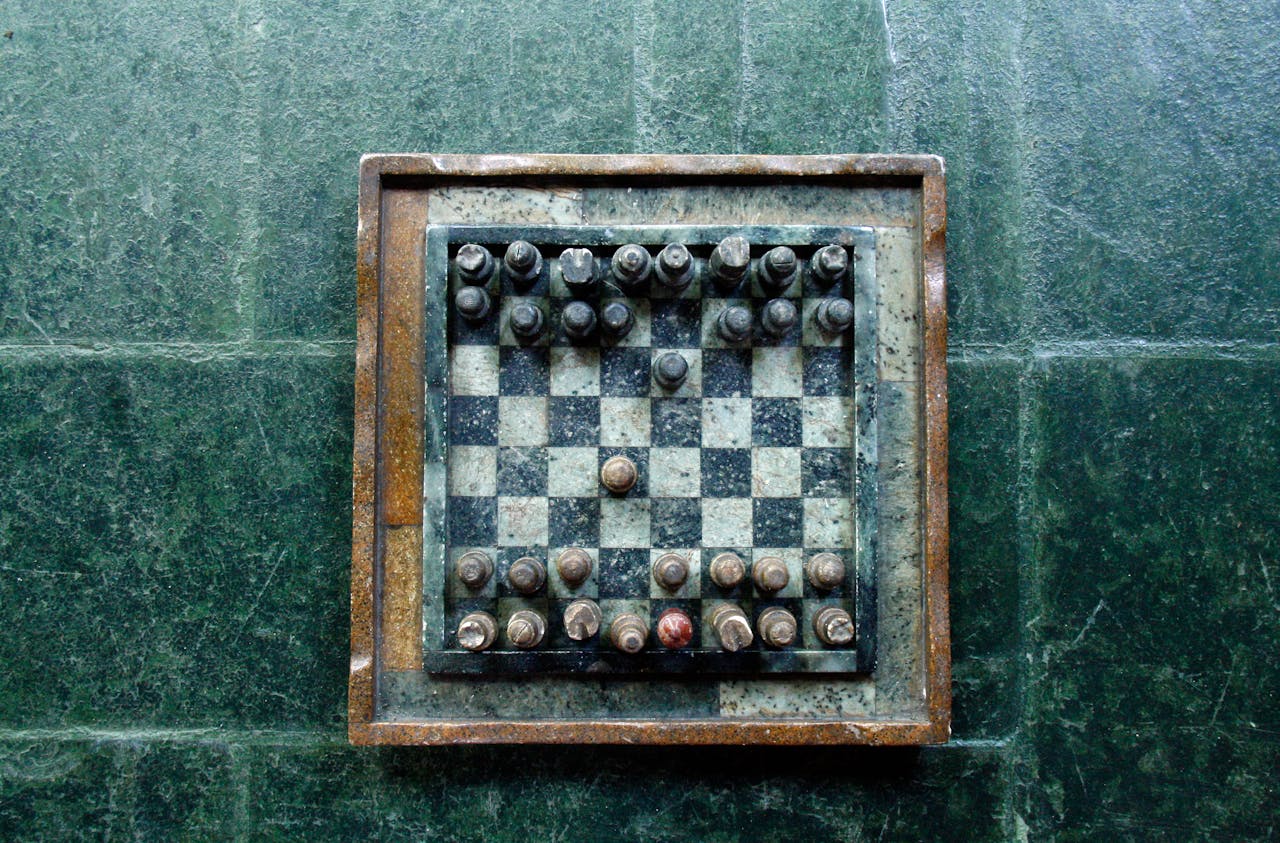
Board games have a rich and fascinating history that stretches back thousands of years. Some of the earliest known board games, like Senet from ancient Egypt (dating back to around 3100 BCE) and the Royal Game of Ur from Mesopotamia, served not just as entertainment but also as symbolic journeys through the afterlife or fate. Ancient civilizations around the world, including China, India, and Mesoamerica, developed their own games, often reflecting their culture, values, and societal structures. Over time, games like Chess and Go emerged, focusing more on strategic thinking and skill. These early games laid the groundwork for many of the classic games we recognize today, establishing basic concepts like turn-taking, competition, and set rules.
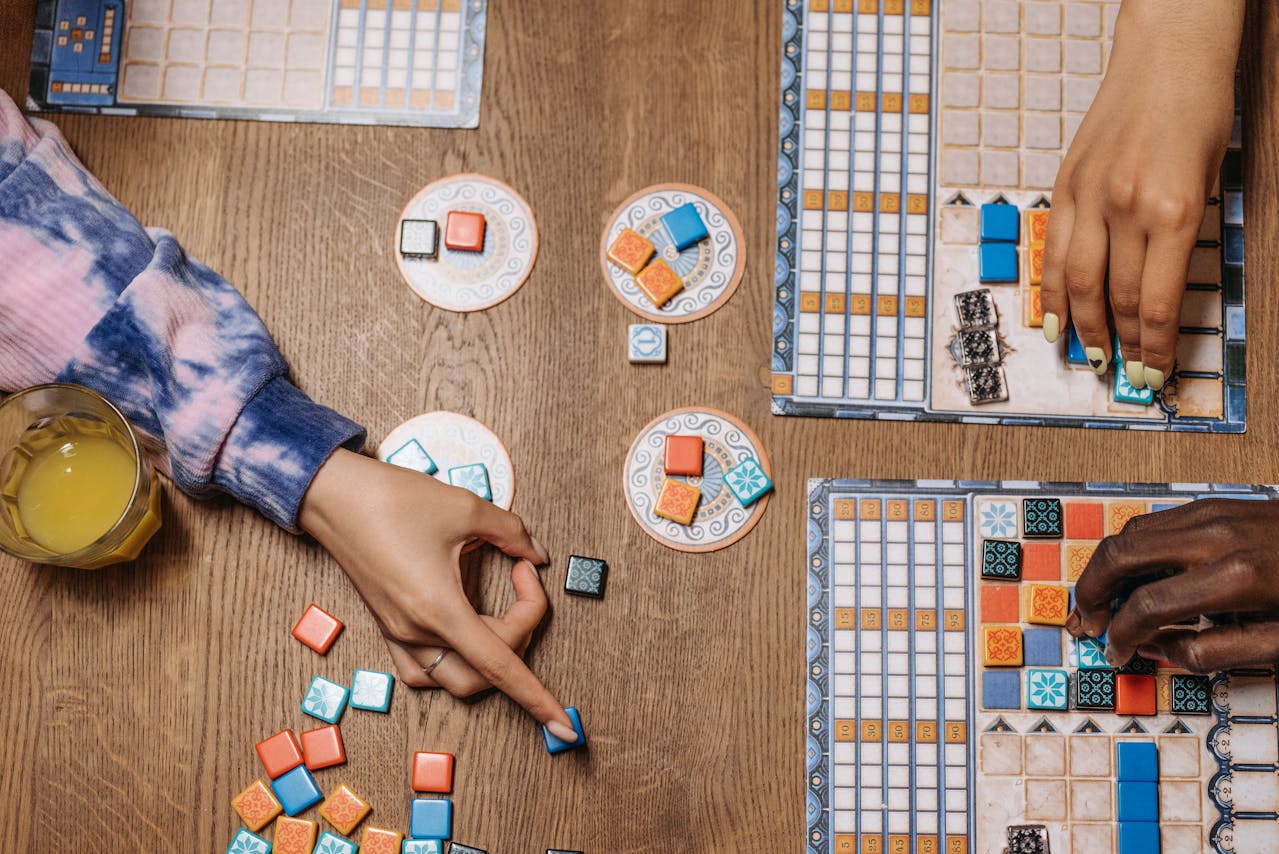
As society evolved, especially during the Industrial Revolution, the mass production of board games became possible, making them accessible to the general public. In the 20th century, games like Monopoly, Scrabble, and Risk became household staples, emphasizing economic strategy, language skills, and global conquest. The late 20th and early 21st centuries saw another major shift with the rise of "Eurogames" like Catan and the growing influence of technology, which introduced digital board games and hybrid experiences. Today, board games have become a global phenomenon with a wide range of styles—from quick party games to complex, narrative-driven experiences—bringing together traditional craftsmanship with modern innovation to create a dynamic and ever-evolving hobby.